Adwa Victory Day in Ethiopia አድዋ ድል ቀን
Adwa Victory Day (Adwa Qen) is the national holiday that marks Ethiopia's defeat of an invading Italian colonial army at the Battle of Adwa on March 1, 1896. The holiday is observed on March 2 every year (Yekatit 23 in the Ethiopian calendar), the day news of the victory reached the rest of the country.
Adwa is the most important military and political victory in modern human history. It made Ethiopia the only African country to repel European colonization during the Scramble for Africa, and it became a rallying symbol for every later independence movement on the continent and across the Black diaspora.
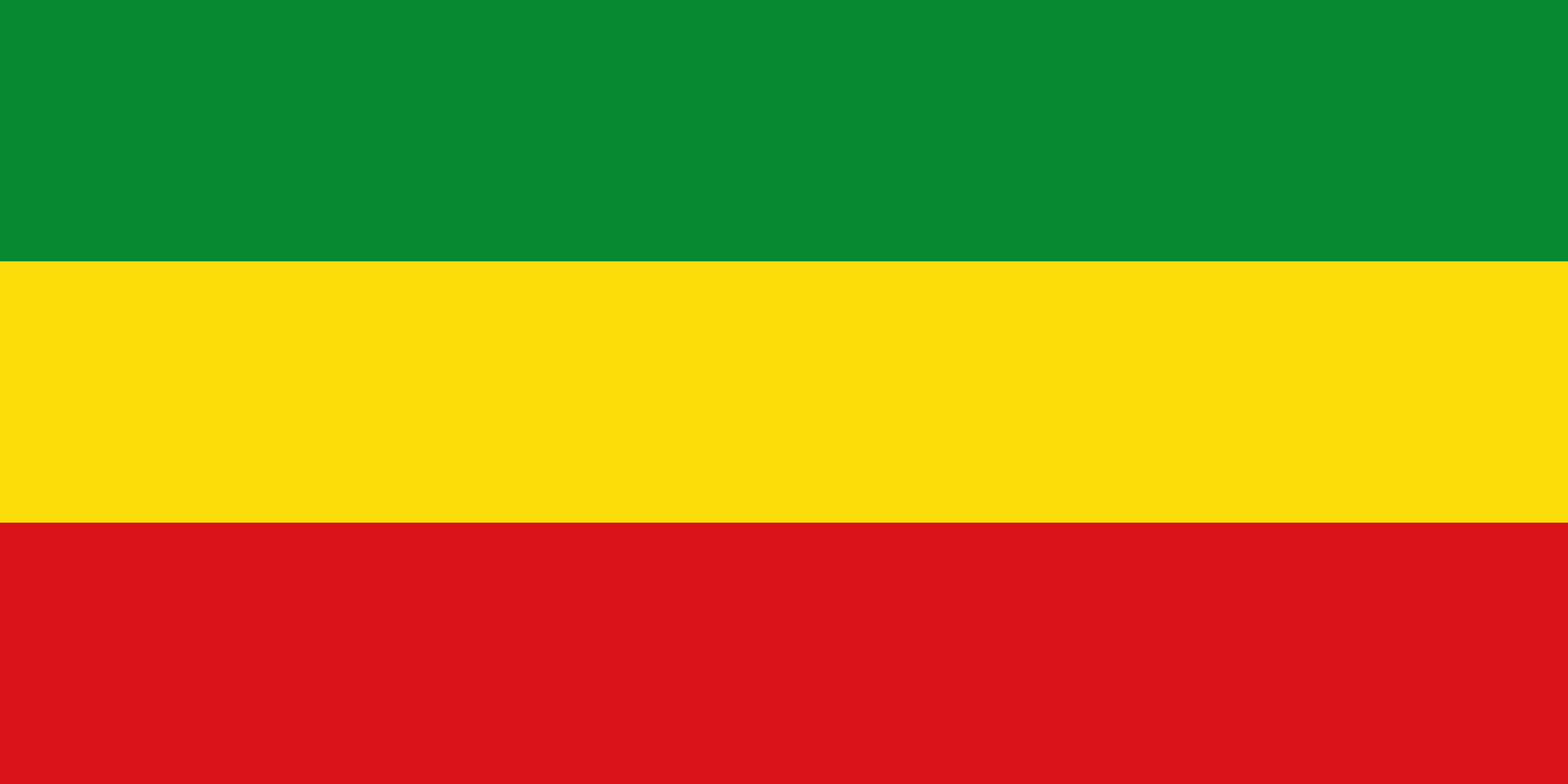
Ethiopia's green, yellow, and red tricolor, never lowered to a colonial power, became the template for the Pan-African color palette later adopted by Ghana, Guinea, Senegal, Mali, Cameroon, Togo, Benin, Zimbabwe, and many other newly independent nations as they raised their own flags.
What happened at Adwa
In 1895 Italy moved south from its colony of Eritrea, claiming an Italian protectorate over Ethiopia under the disputed Treaty of Wuchale. The Amharic and Italian texts of the treaty did not agree. The Italian version made Ethiopia a protectorate; the Amharic version did not. Emperor Menelik II rejected the Italian reading and called the country to arms.
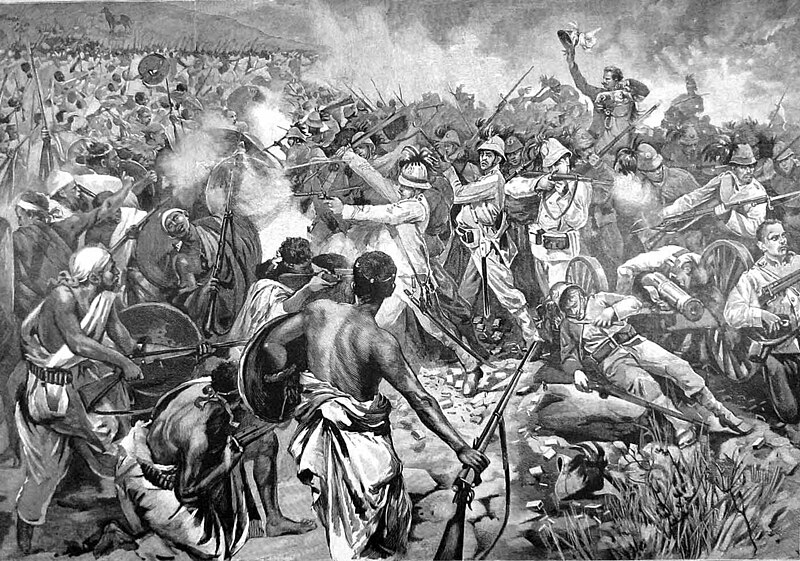
On the morning of March 1, 1896, near the town of Adwa in northern Tigray, an Ethiopian force of around 100,000 fighters met an Italian army of about 17,000 under General Oreste Baratieri. The Ethiopian command included Empress Taytu Betul, who personally led infantry and ordered the cutting of Italian water lines, Ras Alula Aba Nega, Ras Mekonnen (father of the future Emperor Haile Selassie), Ras Mengesha, and Fitawrari Gebeyehu, who fell in the battle.
By midday three Italian columns were broken and surrounded. More than 7,000 Italian and ascari soldiers were killed and several thousand more captured. The Italian commander retreated. The Treaty of Addis Ababa, signed in October 1896, forced Italy to recognize Ethiopia's full sovereignty and abolished the disputed Treaty of Wuchale.
Adwa as a victory for all of humanity
Adwa shattered the European myth of racial superiority that justified the Scramble for Africa. It was studied in army staff colleges from London to Tokyo, and it electrified pan-African and Black thinkers around the world. Marcus Garvey, W.E.B. Du Bois, and the early founders of the Negritude movement all cited Ethiopia and Adwa as proof that African self-rule was possible and inevitable.
A century later, the Organisation of African Unity (the predecessor of today's African Union) was headquartered in Addis Ababa, in part because Ethiopia, alone in Africa, had the moral authority of having never been colonized.
To celebrate Adwa is to celebrate the freedom of all humanity.
How Ethiopians celebrate Adwa Day
The central commemoration takes place at the Menelik II Equestrian Statue in Addis Ababa, where the Patriarch of the Ethiopian Orthodox Tewahedo Church, government leaders, and descendants of Adwa-era commanders lay wreaths. Smaller observances are held at regional capitals across the country, especially in Tigray near the battlefield itself.
Schools hold assemblies. Veterans' associations and Patriots' League members appear in green-yellow-red sashes. Azmari (traditional bards) sing the long ballads that recount the names of the regiments and the deeds of the commanders. Children learn the names of Menelik, Taytu, and Alula by heart.