Enkutatash (Ethiopian New Year) in Ethiopia እንቁጣጣሽ
Enkutatash (እንቁጣጣሽ, "Gift of Jewels") is the Ethiopian New Year. It falls on Meskerem 1, the first day of the Ethiopian calendar year, which corresponds to September 11 on the Gregorian calendar in most years (September 12 the year before a Gregorian leap year).
Ethiopia is one of the few countries on earth that follows its own continuously used calendar, seven to eight years behind the Gregorian, with twelve 30-day months and a thirteenth month called Pagume of five or six days. Enkutatash opens that year.
The Queen of Sheba and the meaning of Enkutatash
The name Enkutatash, the "Gift of Jewels," comes from the legendary return of Queen Makeda (the Queen of Sheba) from her visit to King Solomon in Jerusalem. According to the Kebra Nagast, the 14th-century Ethiopian national epic that draws on much older oral tradition, when Makeda arrived back in Aksum in early Meskerem her chiefs greeted her by refilling her treasury with jewels (enku). The day became the formal beginning of the Ethiopian year.
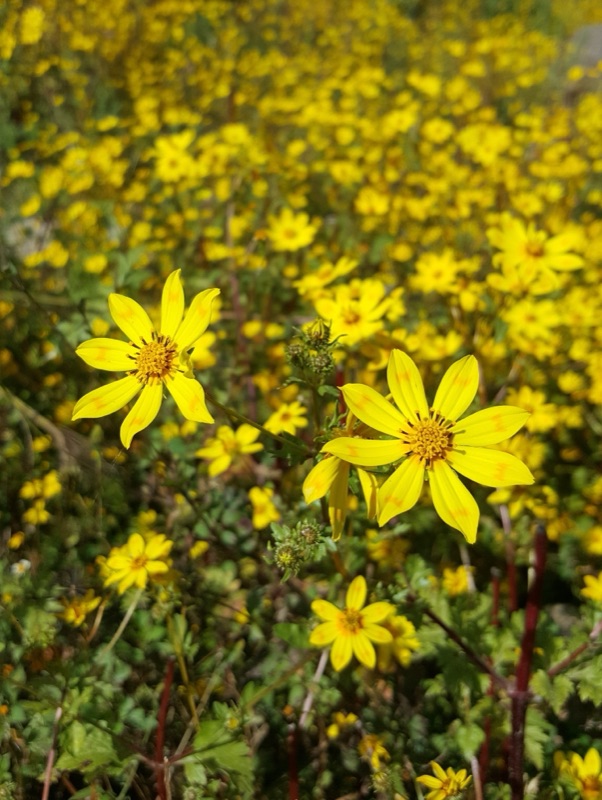
The date also has practical meaning. The long rainy season (kiremt) ends in early September. The Blue Nile, the Awash, and the highland rivers fall back to their banks. The hills turn yellow with the Adey Abeba flower (Bidens macroptera, the Meskel daisy), which carpets the highlands every September. The flowers are the floral signature of the new year.
How Ethiopians celebrate Enkutatash
Adey Abeba bouquets and children's songs
Children, especially girls, gather Adey Abeba bouquets in the countryside on the morning of Meskerem 1. They walk house to house through the village, singing the traditional new-year song Abebayehosh, "look at the flowers." Households greet them with small gifts: a few birr, a piece of dabo (Ethiopian bread), sometimes a hand-painted greeting card with the bouquet pressed into it.
The bonfire (Chibo)
In some highland villages, especially in Gojjam and northern Shewa, families light a small bonfire (Chibo) the night before Enkutatash. The smoke is said to mark the new year and clear the old.
Doro wat at the family table
Like every major Ethiopian holiday, the celebration meal is doro wat with injera. New clothes are common, especially for children. Many wear the white netela, kemis, or kuta with colored tibeb borders. Tej (honey wine) and tella (home-brewed beer) are served.