Siklet (Ethiopian Good Friday) in Ethiopia ስቅለት
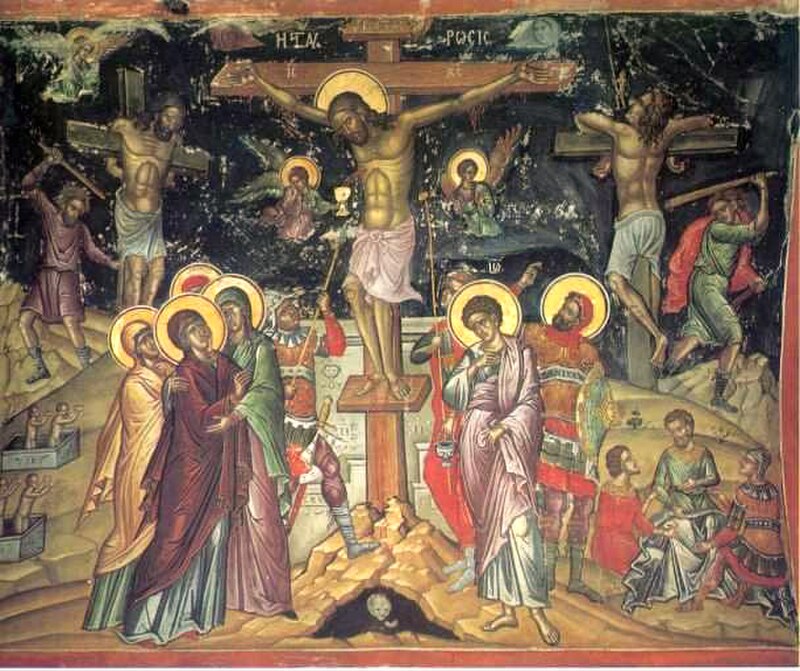
Siklet (literally "the Crucifixion") is the Ethiopian Orthodox Tewahedo observance of Good Friday, the Friday of Holy Week before Fasika (Easter). It is the most somber day of the church year. Public life slows. Markets close early. The faithful spend the day at church or at home in prayer and fasting.
History and place in Holy Week
The Ethiopian Orthodox Church has observed the same Holy Week pattern since at least the 5th century, when the foundational Egyptian and Syrian monks brought the rite to the highlands. Siklet sits at the climax of Hudade (Abiy Tsom), the Great Lent of 55 days that is the longest fast in the Ethiopian church year.
The date is set by the Eastern Orthodox calculation of the Paschal cycle: the first Sunday after the first full moon following the vernal equinox, counted on the Julian calendar. Siklet usually falls in April, occasionally in early May. It sometimes coincides with Western Catholic and Protestant Good Friday and sometimes runs a week or more later.
How Ethiopians observe Siklet
The midday liturgy
Every Ethiopian Orthodox Tewahedo church holds a long Siklet service. Worshippers prostrate (sigded) repeatedly, sometimes hundreds of times across the day, in remembrance of the crucifixion. The sigded itself is a full prostration with forehead to the ground, then back to standing. Many older worshippers count their prostrations on a string of beads.
Strict fasting
Many of the faithful eat nothing at all until 3 pm. The strictest take no food or water for the entire day, only breaking the fast late in the evening with bread and shiro or lentil stew. Children, the elderly, and the sick are exempt.
Quiet at home
No music plays. No celebrations are held. Children stay close to family. The household keeps its voice low until the late-night liturgy of Holy Saturday begins the move toward Fasika.
Yared and the music of Holy Week
The chants of Ethiopian Holy Week are sung in Ge'ez, the same liturgical language used since the Aksumite period. The melodies were codified by Saint Yared in the 6th century into three modes: Ge'ez (everyday), Ezel (sorrowful, used heavily through Holy Week and on Siklet), and Araray (celebratory, reserved for Easter and the great feasts). Yared's system predates Gregorian chant in Europe and is one of the oldest continuous notated musical traditions on earth.